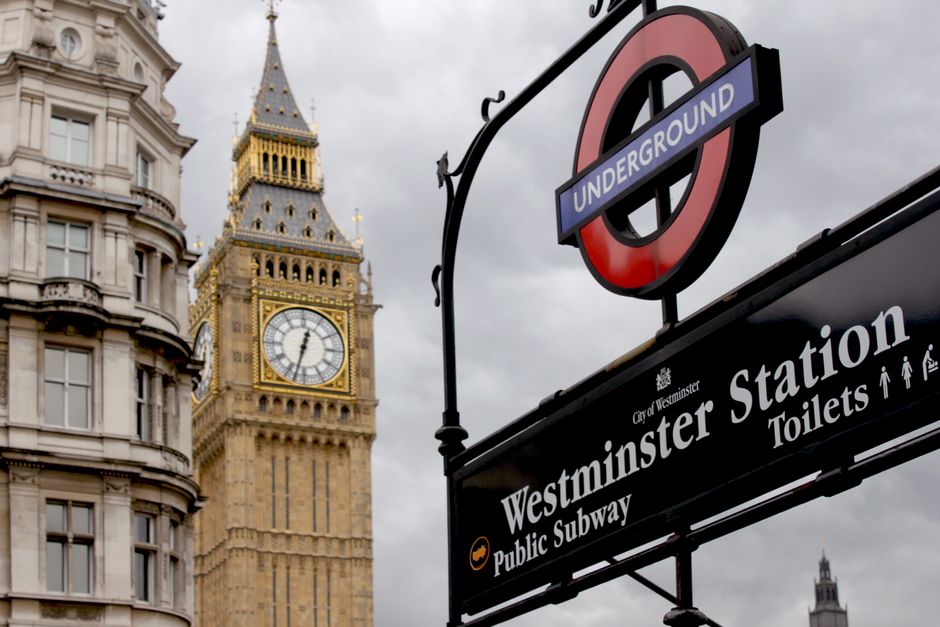
What kinds of remarks are usually treated as unparliamentary language in Westminster-style legislatures?

Unparliamentary language is wording that a legislature treats as improper during debate. In Westminster-style bodies, the problem is often not just harsh language, but language that attacks another member’s honesty or honour.
The remarks most likely to cross the line
The confirmed examples are remarks that suggest another member is:
- dishonest
- dishonourable
- lying, when stated as a direct accusation
In the British House of Commons, directly accusing another member of lying is treated as unacceptable, even if the speaker believes the accusation is true.
Why these rules exist
The rules are tied to preserving the dignity of the assembly. The idea is that debate can be forceful, but members are not supposed to use wording that undermines the basic standards of the chamber.
Why the exact line can shift
Standards are not frozen forever. Speakers’ rulings can reflect changing norms over time, so the wording treated as improper may vary by legislature and period.
What happens if a legislator directly accuses another member of lying during debate?

A direct accusation that another member lied is not treated as ordinary debate language in the British House of Commons. It falls into the kind of wording considered unacceptable.
The direct answer
If a legislator directly accuses another member of lying during debate, the remark can be treated as unparliamentary language.
The context confirms one key point: the House of Commons treats a direct accusation that a member lied as unacceptable, even when the person making the accusation believes it is accurate.
Who handles the decision
The Speaker generally decides whether the language used in debate crosses the line. That means the issue is not only the speaker’s intent, but how the chair applies the chamber’s rules and standards.
What to keep in mind
The available context does not specify a single automatic penalty or step-by-step procedure. It confirms that the language is unacceptable and that the Speaker generally rules on whether wording is improper.
Who decides whether language used in a legislature crosses the line?

When debate language is challenged, the decision usually belongs to the Speaker.
The Speaker generally decides
The confirmed rule in the available context is that the Speaker generally decides what language crosses the line in a legislature.
That matters because unparliamentary language is not always a fixed list of banned words. It can depend on the chamber’s standards, the wording used, and how the Speaker applies the rules during debate.
What kinds of language are at issue
In Westminster-style bodies, remarks that suggest another member is dishonest or dishonourable are especially sensitive. In the British House of Commons, directly saying that another member lied is treated as unacceptable.
Why rulings can change over time
The context also notes that standards can shift. Speakers’ rulings may reflect changing norms, so past and current practice may not always be identical.
Sources / Learn more
Related reading
- How do you use Ansel Adams’ Zone System to control exposure in your own photography?; How can you apply Group f/64’s sharp-focus, full-tonal-range style to your own photos?
- How would the Claiming Age Clarity Act change the way Social Security explains claiming age and monthly retirement benefits?; What should people check before deciding when to claim Social Security under the clearer benefit language?; Where does H.R. 5284 stand after passing the Senate?
- How can a lawyer or family member get access to visit migrants detained in Eswatini’s Matsapha prison?; What is the legal status of migrants deported to Eswatini, and can they ever be released or returned home?; How many more migrants is Eswatini expected to receive, and is the deportation program still ongoing?; What can detainees do to improve prison conditions, based on cases like Roberto Mosquera’s hunger strike?
- How can readers access the actual SES Performance Review Board member notice when only an automated-access restriction appears?; What is the official path for programmatic access to this SES notice?
Leave a Reply