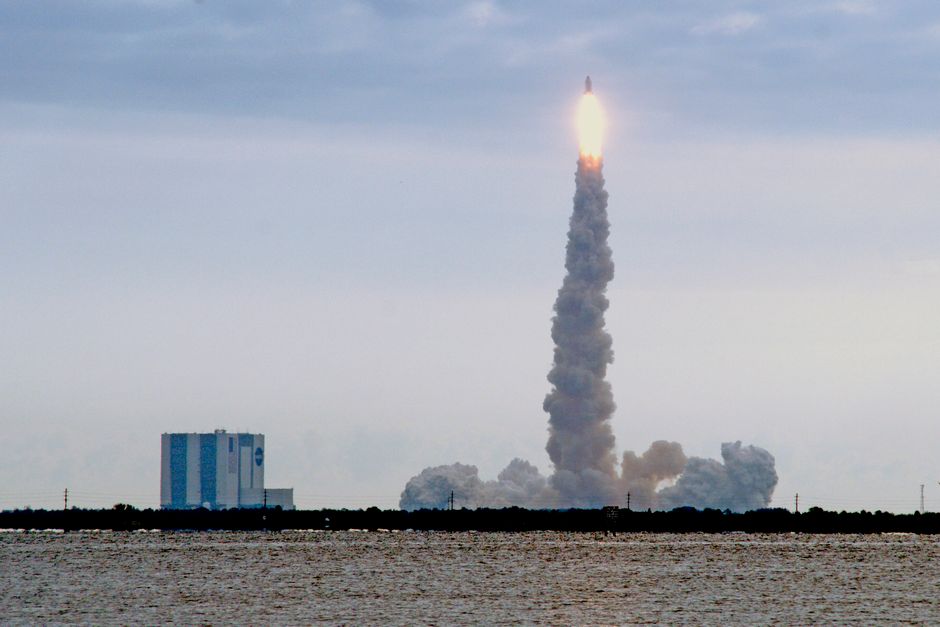
What health research is NASA sending to the ISS on SpaceX CRS-35?

NASA says SpaceX’s 35th station resupply mission will carry research to the International Space Station, with the listed work focused on health-related questions in space.
What research is going to the ISS
The confirmed research areas are:
- Human health
- Plant health
- Organisms resistant to drugs
NASA connected these investigations to supporting astronaut health during long-duration missions. The source says the work comes from NASA’s Biological and Physical Sciences division.
What the context does not confirm
The provided context does not list the individual experiment names, launch date, arrival date, sample sizes, or detailed procedures. So the practical takeaway is limited but clear: CRS-35 is carrying ISS research connected to human health, plant health, and drug-resistant organisms.
For exact experiment names and mission timing, use NASA’s latest mission pages rather than relying on a snapshot summary.
How could the CRS-35 investigations help astronaut health during long-duration missions?

NASA links the CRS-35 investigations to a practical goal: supporting astronaut health during long-duration missions.
How the research could help
Based on the confirmed context, the investigations may help by studying areas that matter when people spend extended time in space:
| Research area | Why it matters for astronaut health |
|---|---|
| Human health | Directly relates to how astronauts’ bodies are supported during missions |
| Plant health | Connects to keeping biological systems healthy in space research settings |
| Drug-resistant organisms | Helps study organisms that may be harder to treat or manage |
The source does not provide detailed findings yet. It describes research being sent to the ISS, not completed results.
Who is behind the investigations
NASA says the investigations come from its Biological and Physical Sciences division. That detail matters because the work is framed as research into biological and physical systems, not as a finished medical treatment or operational rule.
What readers should keep in mind
The context supports a careful answer: CRS-35 may contribute to what NASA learns about astronaut health on longer missions, but it does not confirm any specific outcome from the experiments.
For the latest mission status and any future research results, check NASA’s mission updates directly.
Where can readers follow NASA coverage of the SpaceX 35th station resupply launch and arrival?

Readers looking for CRS-35 launch and arrival coverage should start with NASA’s own mission and news pages.
Where NASA listed coverage
The provided context says another NASA page listed coverage for the SpaceX 35th station resupply launch and arrival among featured items.
That means NASA is the confirmed place to check for:
- CRS-35 launch coverage
- CRS-35 arrival coverage
- Related ISS resupply mission updates
What is not included in the context
The context does not provide a specific launch time, arrival time, streaming schedule, or coverage link title. It only confirms that NASA listed launch and arrival coverage among featured items.
Because launch and arrival coverage can change with mission timing, check NASA’s current page before making plans around the event.
Sources / Learn more
Related reading
- What work will SpaceX Crew-13 do aboard the International Space Station?; What Crew-13 coverage has NASA listed around the crew’s arrival at Kennedy?
- When did NASA’s SpaceX Crew-13 launch, and where did it launch from?; What rocket and spacecraft were used for NASA’s SpaceX Crew-13 mission?; What should readers watch for after the Crew-13 launch?
- How do you use ChatGPT’s Deep Research feature to generate a report, and how long should you expect to wait?
Leave a Reply