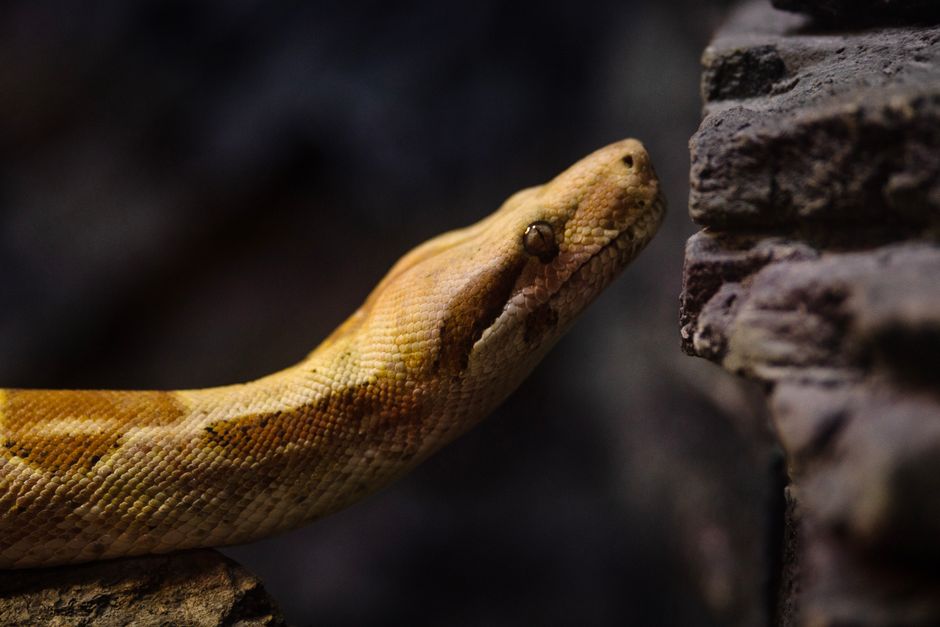
How many Burmese pythons were removed from South Florida in the latest season?

The latest reported South Florida python removal season removed 177 large Burmese pythons, totaling 8,080 pounds.
The confirmed removal total
A-Z Animals reported that conservation teams removed:
- 8,080 pounds of Burmese pythons
- 177 large constrictors
- From a 200-square-mile area
- In Collier County, South Florida
The removals took place from November through April and were announced by the Conservancy of Southwest Florida.
Why the season stood out
The Conservancy of Southwest Florida described it as its largest python removal season so far. It was also the group’s first season to exceed four tons of removed pythons.
The available context does not include a statewide total or a full comparison with every prior season, so the confirmed figure here is specific to this reported operation.
Why are large female Burmese pythons a priority for removal?

Large female Burmese pythons are a priority because UF/IFAS researchers identified them as especially important targets for reducing future population growth.
Why large females matter
Phys.org reported that UF/IFAS researchers developed a tool to help agencies focus on Burmese pythons with the greatest effect on future population growth.
Within that approach, large females are especially important because they have an outsized role in what happens to the future python population.
How this fits with recent removals
The latest reported South Florida removal season took 177 large constrictors out of a 200-square-mile area in Collier County. The total weight was 8,080 pounds.
That removal total and the UF/IFAS prioritization tool point to the same practical idea: agencies are not only counting pythons removed, but also looking at which removals may matter most for future population control.
For current management details, check the latest reporting from the organizations involved, since tools and field priorities can be updated over time.
How can agencies decide which Burmese pythons to target first?

Agencies can prioritize Burmese python removal by focusing on snakes expected to have the greatest effect on future population growth, according to the UF/IFAS tool described by Phys.org.
How the prioritization works
The confirmed point is that UF/IFAS researchers developed a tool to help agencies decide which Burmese pythons should be targeted first.
The tool is meant to identify pythons with the biggest impact on future population growth. Large females were reported as especially important targets.
What agencies can use from the reported approach
Based on the provided context, the practical takeaway is:
- Identify pythons likely to affect future population growth the most.
- Treat large females as a high-priority group.
- Use removal data alongside targeted management tools.
The context does not provide the tool’s full formula, field instructions, or access details. Agencies would need to consult UF/IFAS or the official research information for implementation specifics.
Sources / Learn more
Related reading
- When will Lafayette County Metro Narcotics release more information on whether kratom contributed to the deaths of the two Ole Miss students?
- What should affected CMI Capital investors do after the SEC complaint and proposed settlement?; What timeline did the SEC allege for the false or misleading statements?; How much money did the SEC say was raised from investors?; What claims about fund value and returns did the SEC say investors were told?
- When and where is Ed Sheeran performing next after the Philadelphia backlash over Macklemore’s removal?; What happened to the other supporting acts on Ed Sheeran’s tour after Macklemore was removed?; What has Macklemore claimed about Robert Kraft’s role in his removal from Ed Sheeran’s tour?
- Why are the SS Richard Montgomery masts being removed now?; What is the timeline behind the SS Richard Montgomery mast removal project?; What should visitors or local observers know now that the visible mast tops are being removed?; How does removing the masts relate to the remaining munitions on the SS Richard Montgomery?
Leave a Reply